

Renewables are rewriting the rules of trade. Is Australia ready?
With the US-Iran ceasefire holding, it's tempting yet wrong to think the worst is behind us.

By Joanna Kay
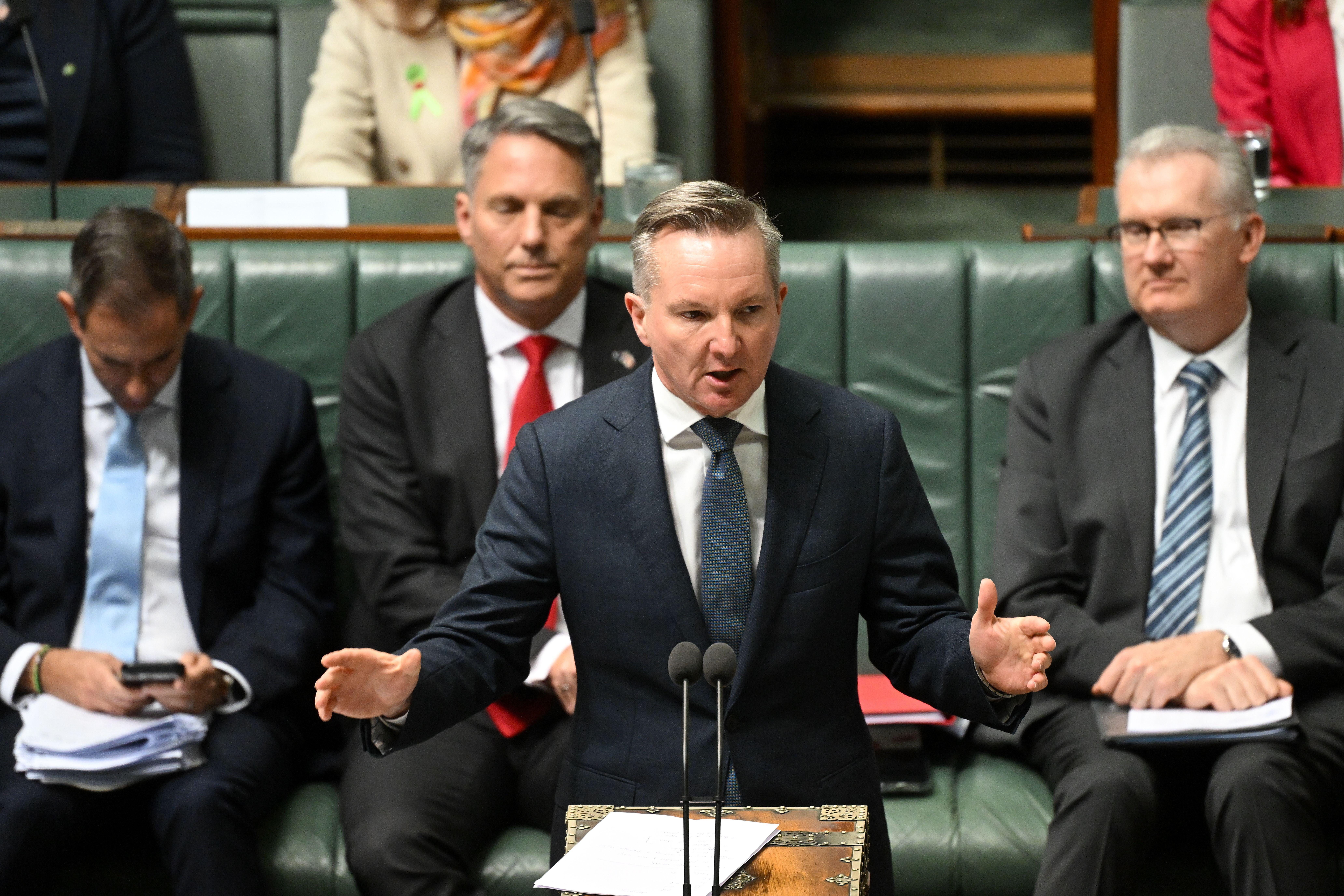
Chris Bowen, Australia’s Climate and Energy Minister, who is leading this year’s COP31 negotiations in Antalya, said at recent UN climate talks in Bonn that the world needed to “meet the moment”. Bowen knows that the challenges of the year are far from over. The fact the Australian government is now considering extending the cut to the fuel excise to keep petrol prices down is evidence that this crisis will have longer lasting impacts on home turf and beyond.
Seismic shifts have been underway for some time - even before the US and Israel attacked Iran and the Strait of Hormuz was closed. Before the war clean energy investments had reached $2.2 trillion in 2025. Solar power is now the cheapest form of energy in modern history, and renewables are on an exponential growth curve, outpacing fossil fuel growth.
Countries that seize the moment and take advantage of this realignment and shift towards clean power will be the winners in the new world order. This won’t happen automatically – it needs concerted policy and diplomatic investment.
Australia has an unprecedented opportunity to use our diplomatic muscle to shape new terms of trade for the renewable energy era, and in doing so it can also secure Australian prosperity for decades to come.
But what do the new terms of trade look like? There are several options. First, the new electrification drive is one such step in the right direction. Domestically Australia’s renewable energy resources are the envy of the world - but solar and wind power can’t be traded by ship. Instead, we need to use that ultra cheap and plentiful energy to add value to other exports like iron, copper, aluminium, critical minerals and fertiliser.
Australia is fortunate to have abundant plant and waste-based feedstocks and high quality renewable energy which are the building blocks of low carbon liquid fuels. Producing low carbon liquid fuels for shipping and aviation could cut global emissions by 1.1% - 1.9%.
Second, we must work with our trading partners to diversify supply chains so we avoid a single point of failure for key goods such as batteries, advanced manufacturing and clean technologies. We are already cooperating with countries like India, South Korea and Japan on exactly this, and there is untapped potential for further regional collaboration on green iron, fertiliser, clean industrial processes and digital infrastructure. A Decarbonisation Deals Platform has been muted and can be pushed forward by Australia as a clear outcome in Antalya.
Under the Korea-Australia Green Economy Agreement, the two nations are expanding trade in renewable hydrogen, green metals and renewable energy supply. With President Lee Jae Myung of South Korea acknowledging the Middle East crisis must speed up the transition, we can pursue more ambitious, mutually beneficial green trade deals.
Australia’s national science agency (CSIRO) and Indian partners have pioneered world-first research to use agricultural waste in the steelmaking process.
Our region - the Asia Pacific - is the fastest growing economic region in the world. And it is leading the world in decarbonisation. At the same time, it is heavily exposed to imported fuels and very anxious about the current supply shock, which is why Asian leaders are investing heavily in renewables.
The clean energy transformation that began in China is now spreading across the continent. Today, 84% of Asia’s electricity demand comes from economies that are more electrified than the United States. Asia produces more than 95% of the world’s solar panels, 85% of batteries and 75% of wind turbines. Its solar and wind resources are vast enough to generate at least 14 times its total energy demand and around 100 times its current oil and gas production.
Fast growing developing economies won’t invest in obsolete technologies when they can build renewable energy more cheaply and reduce their reliance on imported fuel.
It takes time to build renewable energy infrastructure, but once it happens the shift will be structural and permanent.
Australia stands at a crossroads and it must send a clear message to the world about the future that it wants to pursue. It must seize this opportunity to enter the electric era - instead of clinging to the fossil fuels of the past. If it does the latter it will find it is left behind.
Joanna Kay is Program Director, International Strategy, Partnerships and Engagement at the Superpower Institute